
Future home aesthetics 2027 design predictions aren’t just about what looks good—they’re about how homes feel, function, and adapt to everyday life. The next wave of design is blending technology, sustainability, and personal expression into spaces that are smarter, warmer, and far more human-centered.
This guide breaks down exactly what’s coming—from emerging color palettes and materials to the deeper lifestyle shifts shaping modern interiors. Expect practical insights, real-world ideas, and clear direction on how to bring these trends into your own home before they go mainstream.
Article Contents
The Shift Toward Future Home Aesthetics 2027: What’s Driving the Change?
Design trends don’t appear out of nowhere. The evolution of future home aesthetics 2027 is being driven by a mix of cultural shifts, technology, and changing lifestyles.
Homes Are Becoming Multi-Purpose Ecosystems
Living spaces are no longer static. Work, relaxation, socializing, and wellness now happen under one roof.
This shift leads to:
- Flexible layouts that adapt throughout the day
- Furniture that serves multiple functions
- Spaces designed for both productivity and comfort
Technology Is Becoming Invisible
Instead of flashy gadgets, the focus is on seamless integration.
Expect:
- Hidden speakers, lighting, and climate systems
- Voice- and AI-controlled environments
- Clean, clutter-free surfaces with built-in tech
The goal is simple: technology should enhance life without dominating the visual experience.
Sustainability Is Now a Design Standard
Eco-conscious design has moved from niche to essential.
Key drivers include:
- Demand for recycled and renewable materials
- Energy-efficient lighting and appliances
- Long-lasting, repairable furniture
Sustainability is no longer just ethical—it’s becoming a core aesthetic principle.
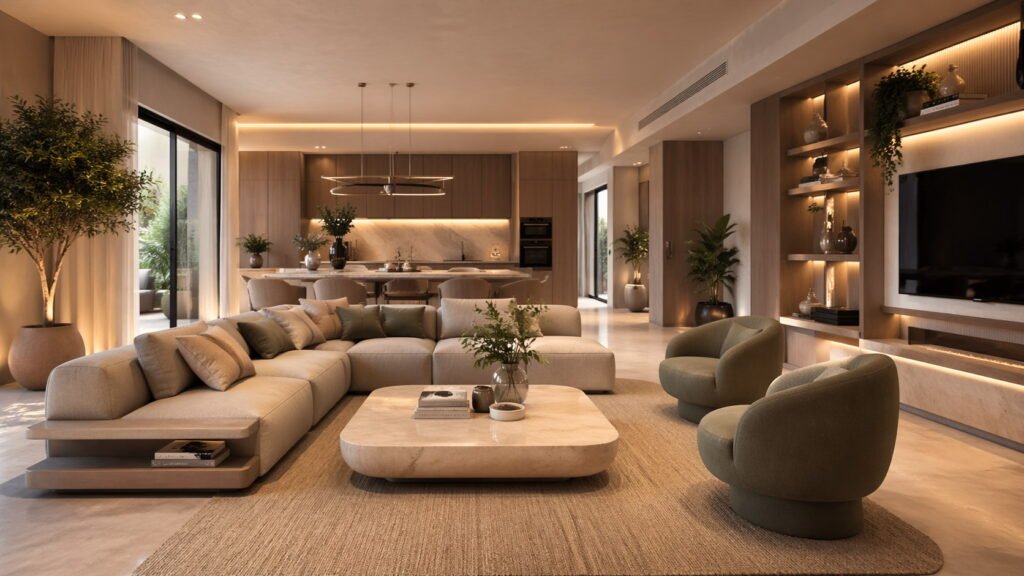
From Minimal to Meaningful: Why “Warm Futurism” Is Taking Over
Minimalism dominated the past decade. Clean lines, neutral colors, and simplicity ruled. In 2027, that evolves into something more expressive: warm futurism.
What Is Warm Futurism?
Warm futurism blends sleek, modern design with comfort, texture, and emotion.
It combines:
- Soft fabrics with high-tech finishes
- Organic shapes with futuristic lighting
- Calm atmospheres with subtle innovation
The result feels inviting, not sterile.
Why Cold Minimalism Is Fading
Ultra-minimal spaces often lacked personality. Many homeowners now want spaces that feel:
- Lived-in
- Personal
- Emotionally engaging
A perfectly styled but impersonal room no longer satisfies modern expectations.
How to Apply Warm Futurism at Home
Small changes can shift your space instantly:
- Replace rigid furniture with curved, sculptural pieces
- Layer textures like wool, linen, and boucle
- Add ambient lighting instead of harsh overhead lights
- Mix natural materials with sleek surfaces
Think less showroom, more sanctuary.
Color Stories of the Future: Palettes Defining Home Aesthetics 2027
Color plays a major role in shaping future home aesthetics 2027 design predictions. The palettes ahead are more nuanced, emotional, and adaptable.
The Rise of Earth-Tech Tones
Colors are blending natural inspiration with digital influence.
Popular tones include:
- Clay, terracotta, and warm sand
- Moss green and muted olive
- Soft lilac and “digital lavender”
- Metallic neutrals like brushed silver and champagne
These shades create a balance between grounded comfort and futuristic edge.
Mood-Based Color Zoning
Instead of one palette per home, spaces are now designed around how you want to feel.
| Room Type | Color Direction | Intended Mood |
| Living Room | Warm neutrals + soft greens | Relaxed, social |
| Bedroom | Muted blues + earthy tones | Calm, restorative |
| Workspace | Light neutrals + subtle contrast | Focused, productive |
| Kitchen | Clean tones + metallic accents | Fresh, efficient |
This approach makes homes feel more intentional and personalized.
Contrast vs. Harmony: Two Directions Emerging
Designers are exploring two distinct paths:
- High-contrast interiors
Bold pairings like dark walls with light furniture create drama - Tonal layering
Multiple shades of the same color build depth without visual noise
Both approaches work—what matters is consistency and purpose.
Materials Reimagined: The Rise of Smart, Sustainable Surfaces
Materials are no longer chosen just for looks—they now define how a space performs, ages, and impacts the environment. In future home aesthetics 2027, surfaces are expected to be intelligent, टिकाऊ, and visually refined.
Bio-Based Materials Move Into the Mainstream
Sustainability is driving innovation in materials that feel premium yet reduce environmental impact.
Expect to see more:
- Mycelium-based panels (grown, not manufactured)
- Recycled wood composites with natural finishes
- Plant-based textiles replacing synthetic fabrics
These materials offer a unique bonus: no two pieces look exactly the same, adding authenticity to modern interiors.
Smart Surfaces That Adapt and Heal
Functionality is evolving beyond durability.
Emerging innovations include:
- Self-healing coatings that repair minor scratches
- Anti-bacterial countertops for kitchens and bathrooms
- Heat- and light-responsive materials that subtly change appearance
These features reduce maintenance while keeping spaces looking new for longer.
Transparency and Layering as Design Elements
Glass, resin, and translucent materials are gaining traction—not just for function, but for aesthetics.
Design applications include:
- Layered shelving with semi-transparent panels
- Resin-infused furniture with embedded textures
- Frosted partitions that divide space without blocking light
The result creates a light, airy, almost futuristic atmosphere without feeling cold.
Furniture in 2027: Sculptural, Modular, and Responsive
Furniture is evolving into something far more dynamic. In future home aesthetics 2027 design predictions, pieces are designed to adapt, express personality, and integrate seamlessly with technology.
Multi-Functional Design for Hybrid Living
With homes serving multiple purposes, furniture must work harder.
Key features include:
- Sofas that convert into workstations
- Expandable dining tables for flexible hosting
- Storage integrated into nearly every piece
This shift prioritizes efficiency without sacrificing style.
Sculptural Forms Take Center Stage
Furniture is becoming more artistic and expressive.
Popular directions:
- Soft, curved silhouettes inspired by nature
- Asymmetrical designs that feel custom-made
- Statement pieces that double as focal points
Even a single sculptural chair can redefine the feel of a room.
Tech-Integrated Pieces Without the Clutter
Technology is blending into furniture rather than sitting on top of it.
Look for:
- Built-in wireless charging surfaces
- Hidden LED accents within shelving or tables
- Smart desks that adjust height and lighting automatically
The goal is clear: functionality should feel invisible, not intrusive.
Lighting as Atmosphere: The Invisible Design Hero
Lighting is no longer just functional—it’s becoming one of the most powerful tools in shaping future home aesthetics 2027. The right lighting can transform a space without changing a single piece of furniture.
Layered Lighting Replaces Single Sources
One overhead light is no longer enough. Modern homes rely on layers:
- Ambient lighting for overall illumination
- Task lighting for specific activities
- Accent lighting to highlight textures and features
This layered approach creates depth and flexibility throughout the day.
Circadian Lighting for Wellness
Lighting is now designed to support natural biological rhythms.
Benefits include:
- Warmer tones in the evening to promote relaxation
- Cooler, brighter light during the day for focus
- Automatic adjustments based on time or activity
This turns lighting into a wellness feature, not just a visual one.
Hidden Light Sources and Architectural Glow
Visible fixtures are being replaced—or complemented—by subtle, integrated lighting.
Trending ideas:
- LED strips embedded in ceilings, floors, and walls
- Backlit panels and floating shelves
- Indirect lighting that creates a soft, diffused glow
These techniques add a futuristic yet calming ambiance, aligning perfectly with the warm futurism trend.
Future Home Aesthetics 2027 in Living Rooms: Fluid, Social, and Adaptive Spaces
Living rooms are no longer just for sitting—they’re becoming dynamic hubs that shift with your daily routine. In future home aesthetics 2027, flexibility and connection define the space.
Layouts That Evolve Throughout the Day
Static furniture arrangements are fading. Instead, layouts are designed to adapt.
Think:
- Modular sofas that can be reconfigured بسهولة
- Lightweight pieces that move easily
- Open zones that transition from work to relaxation
A living room might function as a workspace in the morning and a social lounge at night.
Conversation-First Design
Screens are still present, but they’re no longer the focal point.
Design shifts include:
- Circular or semi-circular seating arrangements
- Low-profile furniture that encourages eye contact
- Coffee tables positioned for interaction, not just display
This creates a more human-centered, engaging environment.
Blending Entertainment and Wellness
Modern living rooms balance stimulation and calm.
Key integrations:
- Hidden media systems that disappear when not in use
- Soft lighting zones for relaxation
- Space for mindfulness practices like yoga or reading
The result feels intentional—a place to connect, recharge, and unwind.
Bedrooms of the Future: Personalized Sanctuaries
Bedrooms in future home aesthetics 2027 design predictions are evolving into deeply personal retreats. The focus is on restoration, comfort, and sensory balance.
Sleep-Optimized Environments
Design decisions are increasingly influenced by sleep quality.
Important elements include:
- Blackout solutions paired with adjustable lighting
- Breathable, natural fabrics for bedding
- Noise-reducing materials like upholstered walls or rugs
Every detail works together to improve rest.
Cocooning Design Trends
Comfort is becoming more immersive.
Popular features:
- Curved headboards that “wrap” the bed
- Layered textiles for warmth and texture
- Enclosed or semi-enclosed sleeping areas
These elements create a sense of security and calm.
Minimal Tech, Maximum Comfort
Technology is still present—but it’s subtle.
Examples:
- Hidden charging stations
- Smart lighting controlled without visible devices
- Climate systems that adjust automatically
The bedroom feels like a retreat, not a control center.
Kitchens Evolve: Clean, Concealed, and Hyper-Functional
Kitchens are undergoing one of the most dramatic transformations in future home aesthetics 2027. The focus is on seamlessness, efficiency, and visual simplicity.
The Rise of Concealed Design
Clutter is the enemy of modern kitchens.
Expect:
- Handle-less cabinets with push-to-open systems
- Appliances hidden behind matching panels
- Integrated storage that keeps surfaces clear
This creates a sleek, uninterrupted visual flow.
Smart Kitchens That Anticipate Needs
Technology is becoming predictive rather than reactive.
Innovations include:
- Refrigerators that track inventory
- Ovens that adjust cooking settings automatically
- Voice-controlled systems for hands-free operation
These features save time while enhancing precision.
Blurring the Line Between Kitchen and Living Space
Kitchens are no longer isolated—they’re part of a larger living environment.
Design approaches:
- Matching materials between kitchen and living areas
- Island counters that double as social hubs
- Open layouts with subtle zoning instead of walls
This shift makes the kitchen feel like a natural extension of the home, not a separate workspace.
Nature Rewired: Biophilic Design Meets Digital Integration
Nature has always influenced interiors, but future home aesthetics 2027 takes it further by merging the organic with the digital. This isn’t just about adding plants—it’s about designing ecosystems inside the home.
Indoor Ecosystems Become Living Features
Greenery is evolving from decoration into infrastructure.
Examples include:
- Living walls that improve air quality
- Indoor herb gardens integrated into kitchens
- Water features that regulate humidity and ambiance
These elements create a home that feels alive, not static.
Digital Nature as a Design Layer
Technology is enhancing how we experience nature indoors.
Emerging ideas:
- Virtual skylights that simulate daylight cycles
- Digital wall panels displaying natural environments
- Soundscapes that mimic forests, rain, or ocean waves
This approach is especially powerful in urban homes with limited outdoor access.
Designing With Air, Light, and Water
Invisible elements are becoming intentional design tools.
Focus areas:
- Air purification systems integrated into walls
- Light that mimics natural circadian rhythms
- Water as both visual and sensory design
The result is a multi-sensory environment that supports both wellness and aesthetics.
Future Home Aesthetics 2027 and Smart Living Integration
Smart homes are nothing new—but in future home aesthetics 2027 design predictions, the emphasis shifts toward invisible intelligence.
Built-In, Not Bolted-On
Tech is no longer an afterthought.
Key changes:
- Speakers embedded into ceilings and walls
- Touchless controls integrated into surfaces
- Minimal visible hardware
This creates a cleaner, more cohesive look.
AI-Driven Personalization
Homes are learning how to adapt to their occupants.
Capabilities include:
- Adjusting lighting based on mood or time
- Regulating temperature room by room
- Suggesting routines based on daily habits
Your home becomes a responsive environment, not just a static space.
Balancing Convenience With Simplicity
More technology doesn’t mean more complexity.
Designers are prioritizing:
- Intuitive interfaces
- Reduced visual clutter
- Seamless user experiences
The best smart homes feel effortless—you barely notice the tech working in the background.
Personal Expression Returns: The End of Copy-Paste Interiors
After years of trend-driven sameness, individuality is making a strong comeback in future home aesthetics 2027.
Curated Maximalism vs. Intentional Minimalism
Two styles are emerging—but both prioritize meaning.
- Curated maximalism: layered decor, bold combinations, personal collections
- Intentional minimalism: fewer items, but each with strong purpose or story
Both approaches reject generic, mass-produced looks.
Blending Vintage With Futuristic
Old and new are no longer opposites—they’re complementary.
Popular mixes include:
- Antique wood furniture paired with sleek lighting
- Retro decor alongside smart home features
- Handmade items contrasted with precision materials
This creates spaces that feel timeless yet forward-looking.
Story-Driven Design
Homes are becoming reflections of identity.
Ways to express this:
- Displaying travel finds or cultural pieces
- Incorporating custom or handmade furniture
- Designing around personal routines and passions
The goal is simple: a home that tells your story, not someone else’s.
Visual Inspiration: Real-World Style Directions to Watch
Understanding trends is easier when you can visualize them. These emerging styles capture the essence of future home aesthetics 2027 design predictions.
Key Style Directions
- Neo-Organic Interiors
Soft curves, earthy palettes, and tactile materials - High-Tech Luxury
Sleek finishes, hidden lighting, and seamless automation - Eco-Minimalist Homes
Sustainable materials with clean, uncluttered design - Urban Futuristic Lofts
Industrial elements blended with digital integration
Each style offers a different interpretation of the same core idea: homes that are adaptive, expressive, and human-centered.
How to Start Adapting Future Home Aesthetics 2027 Today
You don’t need a full renovation to embrace these trends. Small, strategic changes can make a big impact.
High-Impact Upgrades
- Switch to layered, ambient lighting
- Introduce natural textures like wood, linen, or stone
- Replace rigid furniture with softer, curved pieces
Budget-Friendly Ideas
- Use paint to create mood-based zones
- Add plants or small indoor garden setups
- Upgrade textiles (curtains, rugs, cushions) for warmth
What to Avoid
- Overloading on visible tech
- Following trends without considering your lifestyle
- Choosing aesthetics over comfort
Smart updates focus on balance, not excess.
The Big Picture: Where Home Aesthetics Are Heading Beyond 2027
Looking beyond trends, one theme stands out: adaptability.
Homes are evolving into spaces that:
- Respond to changing needs
- Support both productivity and relaxation
- Blend technology with emotional comfort
Design is no longer just visual—it’s experiential.
For a deeper look at how design influences human behavior and well-being, you can explore this resource from the
👉 https://www.apa.org/monitor/2020/04/cover-design-well-being
Frequently Asked Questions About Future Home Aesthetics 2027
What defines future home aesthetics 2027 design predictions?
It’s a blend of smart technology, sustainable materials, and personalized design that prioritizes comfort, adaptability, and emotional connection.
Is minimalism still relevant in 2027 interior design?
Yes, but it’s evolving into “intentional minimalism” with warmer tones, richer textures, and more personality.
How can I make my home look futuristic without overspending?
Focus on lighting, materials, and layout. Small changes like ambient lighting, curved furniture, and decluttering can create a modern feel.
What colors will dominate home design in 2027?
Earthy tones mixed with subtle digital-inspired shades like lavender and metallic neutrals are expected to lead.
Are smart homes essential for future aesthetics?
Not essential, but integration of subtle, invisible tech will play a major role in defining modern interiors.
Ready to transform your space? Start small—adjust your lighting, rethink your layout, and introduce materials that feel both natural and forward-thinking. The future of home design isn’t about chasing trends—it’s about creating a space that evolves with you.
