
Sustainable living is no longer a niche idea—it’s the foundation of 2027 interior design trends forecast sustainable living. Homes are shifting from purely aesthetic spaces into thoughtful environments that reduce waste, improve well-being, and last longer.
This guide breaks down exactly what’s changing, why it matters, and how you can apply it in real life. Expect practical ideas, material insights, and future-forward strategies you can actually use—whether you’re redesigning a single room or planning an entire home.
Article Contents
The Big Shift: Why Sustainable Living Defines 2027 Interior Design Trends
Sustainability has moved beyond trend status. In 2027, it’s the default expectation shaping how interiors are designed, built, and experienced.
From Visual Luxury to Ethical Luxury
Luxury used to mean rare materials and expensive finishes. Now, it’s about responsible choices:
- Furniture made to last decades—not seasons
- Materials with traceable origins
- Designs that reduce environmental impact without sacrificing style
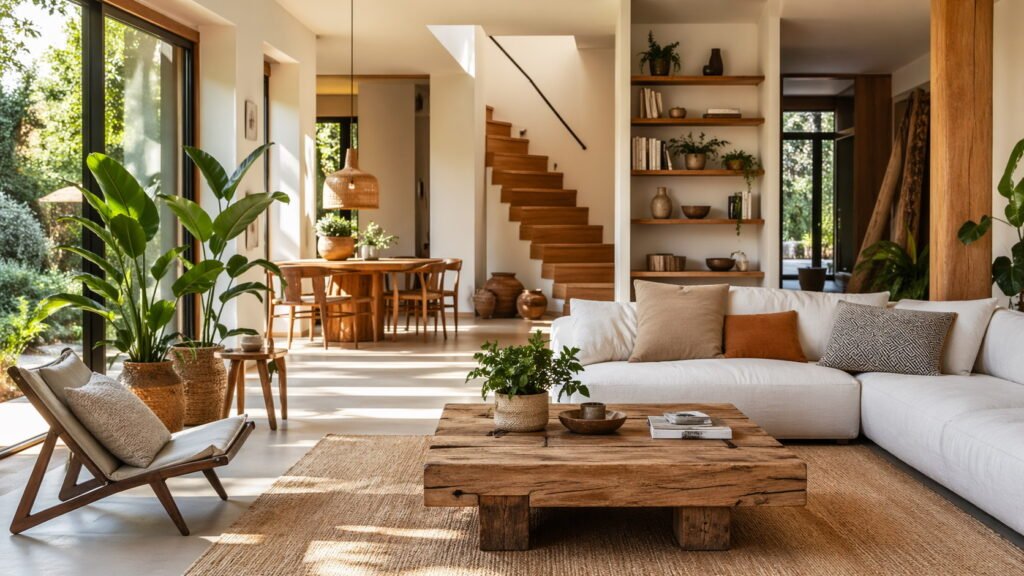
A handcrafted reclaimed wood table, for example, carries more value today than a mass-produced piece—even if the price is similar.
Environmental Awareness Meets Daily Living
Climate awareness is influencing everyday decisions inside the home. People want spaces that:
- Use less energy and water
- Avoid harmful chemicals
- Support healthier indoor air quality
This shift isn’t driven only by environmental concerns. It’s also about long-term cost savings and personal well-being.
Sustainability as a Baseline, Not a Bonus
In previous years, “eco-friendly” was a selling point. By 2027, it’s simply expected.
Designers and homeowners alike are asking:
- Is this durable?
- Where does it come from?
- What happens at the end of its life?
Ignoring these questions is quickly becoming outdated.
What “Sustainable Living” Really Means in 2027 Interiors
Sustainable interiors in 2027 go far beyond recycled materials. The focus is on entire systems, not just individual products.
Lifecycle Thinking: The Core of Modern Design
Every design choice is evaluated across its full lifecycle:
| Stage | What Matters in 2027 |
| Production | Low emissions, ethical sourcing |
| Use | Durability, energy efficiency |
| End of Life | Recyclability, compostability, reuse |
A sofa, for instance, isn’t just judged by comfort—it’s evaluated on how easily it can be repaired or recycled.
Circular Design Becomes Mainstream
The concept of circular living is reshaping interiors:
- Furniture designed to be disassembled and reused
- Materials that re-enter production cycles
- Reduced reliance on landfill-bound products
This approach minimizes waste while maximizing long-term value.
The Rise of “Quiet Sustainability”
Not every sustainable feature is visible—and that’s the point.
“Quiet sustainability” refers to behind-the-scenes improvements, such as:
- Non-toxic adhesives and finishes
- Hidden insulation upgrades
- Energy-efficient systems integrated into walls and ceilings
The home looks beautiful—but also performs better in ways you don’t immediately see.
2027 Interior Design Trends: Materials That Tell a Story
Materials are no longer chosen just for appearance. In the 2027 interior design trends forecast sustainable living, every surface carries a narrative.
Reclaimed, Recycled, and Reimagined
Designers are prioritizing materials with history and purpose:
- Reclaimed wood from old buildings
- Recycled metals with reduced carbon footprint
- Upcycled composites made from industrial waste
These materials add texture and authenticity while reducing demand for new resources.
Bio-Based Materials Are Going Mainstream
Innovative, plant-based alternatives are gaining traction:
- Mushroom leather for upholstery
- Algae-based finishes for walls
- Natural fiber textiles like hemp and linen
These materials are renewable, biodegradable, and often surprisingly durable.
Why Transparency Matters More Than Ever
Consumers want to know exactly what they’re bringing into their homes.
Key factors influencing decisions:
- Origin of raw materials
- Manufacturing process
- Environmental certifications
Brands that openly share this information build stronger trust—and dominate the market.
Designing for Longevity: The End of Fast Furniture
Fast furniture is fading fast. In its place, 2027 interior design trends are embracing longevity as a design principle, not just a bonus.
Investment Pieces Over Disposable Decor
Buying cheap and replacing often is no longer practical—or sustainable. Homeowners are shifting toward:
- Solid wood furniture instead of particle board
- Timeless silhouettes that won’t feel outdated in two years
- Neutral foundations that can evolve with small updates
A well-made dining table or sofa becomes a long-term asset, not a temporary solution.
Modular and Repairable Design Takes Over
Flexibility is key in sustainable living. Furniture is now designed to adapt, not expire:
- Sofas with replaceable covers or cushions
- Shelving systems that expand or reconfigure
- Beds and tables built with interchangeable components
This reduces waste while giving homeowners freedom to update their space without starting from scratch.
Emotional Durability: The Missing Piece
A surprising factor in sustainability is emotional attachment.
People keep items longer when they:
- Have a story or meaning
- Are customized or handmade
- Age beautifully over time
Designers are intentionally creating pieces that feel personal—because the longer you love something, the less likely you are to replace it.
Nature as Architecture: Biophilic Design Evolves in 2027
Biophilic design isn’t new, but in 2027 it becomes more immersive. Nature is no longer just added—it’s integrated into the structure of the home.
Beyond Houseplants: Living Systems Inside the Home
Simple greenery is evolving into functional ecosystems:
- Indoor herb and vegetable gardens
- Living walls that regulate humidity
- Water features that improve air quality and acoustics
These elements serve both aesthetic and practical purposes.
Natural Ventilation and Light as Design Features
Sustainable living emphasizes working with the environment, not against it.
Homes are being designed to:
- Maximize cross-ventilation
- Reduce reliance on artificial lighting
- Use window placement strategically for temperature control
This lowers energy consumption while creating more comfortable interiors.
The Wellness Connection
Biophilic design directly impacts how people feel in their homes.
Benefits include:
- Reduced stress and improved mood
- Better focus and productivity
- Enhanced overall well-being
A sustainable home isn’t just eco-friendly—it actively supports mental and physical health.
Smart Homes, Lower Impact: Tech Meets Sustainability
Technology is playing a major role in the 2027 interior design trends forecast sustainable living, but in a more subtle and intentional way.
Energy Efficiency Powered by Smart Systems
Smart homes are becoming efficient homes.
Key innovations include:
- AI-driven climate control that adapts to daily habits
- Smart lighting that reduces energy waste
- Real-time energy monitoring systems
These tools help homeowners cut costs while reducing their environmental footprint.
Water-Saving Innovations You Don’t See
Water efficiency is gaining attention alongside energy use.
Emerging solutions:
- Smart faucets that limit unnecessary flow
- Leak detection systems that prevent waste
- Greywater recycling systems for irrigation
These upgrades often work quietly in the background but deliver significant impact.
Invisible Tech: Clean Aesthetics, Powerful Function
Unlike earlier smart home trends, 2027 focuses on hidden technology.
- Built-in sensors instead of bulky devices
- Seamless integration into walls, ceilings, and furniture
- Minimal visual clutter
The result is a space that feels calm and natural—while operating with high-tech efficiency behind the scenes.
Color Trends Rooted in Earth and Atmosphere
Color in 2027 interior design trends isn’t just about aesthetics—it’s about connection to nature and emotional balance. Palettes are shifting toward tones that feel grounded, calming, and timeless.
Earth-Inspired Palettes Take Center Stage
Expect colors drawn directly from the natural world:
- Warm clay and terracotta
- Soft sand and beige variations
- Muted greens like moss and olive
- Deep mineral tones such as slate and charcoal
These hues create a sense of stability and make spaces feel effortlessly cohesive.
Healthier Paint Choices Matter
Sustainable living goes beyond color selection—it includes what’s inside the paint.
Homeowners are prioritizing:
- Low-VOC or zero-VOC paints
- Natural pigments derived from minerals or plants
- Finishes that improve indoor air quality
Cleaner materials contribute to a healthier home environment, especially in enclosed spaces.
Color Psychology Meets Sustainability
Color is being used more intentionally to support well-being:
- Soft greens for relaxation and restoration
- Warm neutrals for comfort and grounding
- Earthy reds for warmth and subtle energy
Instead of bold, short-lived trends, 2027 favors colors that age gracefully and remain relevant over time.
Small Spaces, Big Impact: Sustainable Living in Compact Homes
As urban living continues to grow, smaller homes are becoming the norm. The 2027 interior design trends forecast sustainable living shows that size doesn’t limit impact—it enhances creativity.
Multifunctional Design Is Essential
Every square foot needs to work harder:
- Foldable or extendable furniture
- Storage integrated into walls and floors
- Rooms that shift function throughout the day
A living room can easily transform into a workspace or guest area without adding clutter.
Minimalism, Reimagined
Minimalism in 2027 isn’t about empty spaces—it’s about intentional living.
- Fewer items, but higher quality
- Decor chosen for purpose, not just appearance
- Spaces that feel calm, not sterile
This approach naturally reduces consumption while improving everyday usability.
Urban Sustainability Driving Innovation
City living is pushing designers to think smarter:
- Vertical storage solutions
- Compact appliances with high efficiency
- Space-saving layouts that maximize natural light
Smaller homes often consume fewer resources, making them a powerful part of sustainable living strategies.
The Rise of Local Craftsmanship and Slow Design
Mass production is losing appeal. In its place, 2027 interior design trends highlight local craftsmanship and slow design as key elements of sustainable living.
Why Local Matters More Than Ever
Sourcing locally offers multiple benefits:
- Reduced carbon emissions from transportation
- Support for regional economies and artisans
- Materials better suited to local climates
A locally made piece often has a smaller environmental footprint than imported alternatives.
Handmade Over Mass-Produced
Handcrafted items bring something machines can’t replicate—character and individuality.
Popular choices include:
- Hand-carved wood furniture
- Artisan ceramics and decor
- Woven textiles made with traditional techniques
These pieces create interiors that feel unique rather than uniform.
Storytelling Through Design
Every handcrafted object carries a story:
- Who made it
- Where it came from
- How it was created
This adds emotional value to a space, making it more meaningful and less disposable.
Waste-Free Styling: Decor Trends That Eliminate Excess
Styling a home in 2027 is less about adding more—and more about choosing better. Waste-free styling focuses on reducing unnecessary consumption while still creating a visually rich space.
Upcycled and Secondhand Take the Spotlight
Pre-loved items are no longer “alternatives”—they’re often the first choice.
- Vintage furniture with character and durability
- Upcycled decor made from reclaimed materials
- Thrifted accents that add uniqueness
Mixing old and new creates layered interiors that feel curated rather than staged.
Renting, Swapping, and Rotating Decor
Ownership is evolving. Many homeowners now:
- Rent seasonal decor instead of buying
- Swap items within communities or online groups
- Rotate existing pieces to refresh their space
This approach keeps interiors dynamic without contributing to waste.
Fewer Objects, Stronger Impact
Instead of filling every surface, 2027 interiors embrace intentional styling:
- One statement piece over multiple small items
- Functional decor that serves a purpose
- Open space as part of the design
Less clutter not only looks better—it also simplifies daily living.
2027 Interior Design Trends for Sustainable Kitchens and Bathrooms
Kitchens and bathrooms are high-impact areas where sustainable choices make a measurable difference. In the 2027 interior design trends forecast sustainable living, these spaces are becoming smarter, cleaner, and more efficient.
Water Efficiency as a Priority
Water-saving features are becoming standard:
- Low-flow faucets and showerheads
- Dual-flush toilets
- Smart systems that monitor usage
These upgrades reduce waste without compromising performance.
Eco-Conscious Surfaces and Cabinetry
Materials in these spaces must handle heavy use while staying sustainable:
- Recycled stone or composite countertops
- FSC-certified wood cabinetry
- Durable, non-toxic finishes
Long-lasting materials reduce the need for frequent renovations.
Non-Toxic, Easy-to-Maintain Choices
Health and maintenance go hand in hand:
- Mold-resistant, chemical-free surfaces
- Natural sealants instead of harsh coatings
- Easy-clean designs that require fewer cleaning products
A cleaner home environment starts with smarter material choices.
Budget-Friendly Ways to Apply Sustainable Interior Design Trends
Sustainable living doesn’t require a full renovation or a large budget. Small, strategic changes can still align your home with 2027 interior design trends.
Where to Invest vs Where to Save
Focus your budget where it matters most:
Invest in:
- High-use furniture (sofas, beds, dining tables)
- Energy-efficient lighting and appliances
- Quality materials that last
Save on:
- Decorative accessories
- Trend-based items
- Easily replaceable textiles
This balance helps maximize both impact and value.
Simple Swaps That Make a Difference
Quick upgrades can instantly improve sustainability:
- Switch to LED lighting
- Use natural fiber rugs and curtains
- Replace synthetic materials with eco-friendly alternatives
These changes are affordable but highly effective over time.
Start Small, Scale Gradually
Sustainable design works best when it evolves:
- Begin with one room or category
- Replace items only when necessary
- Build a cohesive approach over time
Progress matters more than perfection.
Visual Inspiration: What Sustainable Living Looks Like in 2027 Homes
Sustainable interiors are far from boring. In fact, they’re becoming some of the most visually compelling spaces.
Organic Modern Interiors
- Clean lines paired with raw, natural textures
- Neutral palettes layered with wood, stone, and linen
- A balance between simplicity and warmth
Soft-Tech Spaces
- Hidden smart systems integrated into design
- Minimal visual clutter with high functionality
- Seamless blending of nature and innovation
Warm Minimalism
- Cozy, lived-in minimal spaces
- Soft lighting and tactile materials
- Intentional decor that feels personal, not sparse
These styles prove that sustainability enhances—not limits—design creativity.
Future Outlook: Where Sustainable Interior Design Goes Beyond 2027
The evolution of sustainable living doesn’t stop in 2027. The next phase is already taking shape.
Regenerative Interiors
Homes will move beyond reducing harm to actively improving the environment:
- Materials that absorb carbon
- Systems that generate more energy than they consume
- Interiors designed to give back to ecosystems
Community-Centered Living
Design is expanding beyond individual homes:
- Shared resources in residential communities
- Co-living spaces designed for efficiency
- Neighborhood-focused sustainability initiatives
Hyper-Personalized Sustainability
Technology will allow homes to adapt even more:
- Systems tailored to individual habits
- Real-time environmental feedback
- Custom solutions for energy and resource management
The future is not just sustainable—it’s intelligent and responsive.
Designing Homes That Give Back, Not Take More
The 2027 interior design trends forecast sustainable living makes one thing clear: design is no longer just about how a space looks—it’s about how it behaves, lasts, and impacts the world.
Thoughtful material choices, longer-lasting furniture, smarter systems, and intentional styling all work together to create homes that feel better to live in—and do better for the planet.
For deeper guidance on sustainable materials and building practices, you can explore the U.S. Green Building Council’s LEED framework:
https://www.usgbc.org/leed
Start where you are. Upgrade what you can. Choose better over more.
The future of interior design isn’t about perfection—it’s about making smarter decisions, one space at a time.
FAQ: 2027 Interior Design Trends & Sustainable Living
What are the biggest 2027 interior design trends for sustainable living?
The biggest trends include durable furniture, eco-friendly materials, energy-efficient technology, biophilic design, and waste-free styling approaches.
Is sustainable interior design more expensive?
Upfront costs can be higher, but long-term savings from durability and efficiency often make it more cost-effective.
How can I start sustainable living at home without renovating?
Start with small changes like switching to LED lighting, choosing natural materials, and buying fewer but higher-quality items.
What materials are trending in sustainable interior design for 2027?
Reclaimed wood, recycled metals, mushroom leather, algae-based finishes, and natural textiles like hemp and linen are leading choices.
Can small homes follow sustainable interior design trends?
Absolutely. Small spaces often benefit the most through multifunctional furniture, efficient layouts, and reduced resource consumption.
